“SPF 100 is twice as strong as SPF 50.”
TruthSPF 50 blocks about 98% of UVB and SPF 100 about 99%. The bigger win is using enough and reapplying on time.
Mineral or chemical, SPF 30 or 50, white cast and pilling, plus eight face sunscreens side by side so you can find the one that fits your skin.
Some links on this page earn us a commission, at no cost to you. How that works
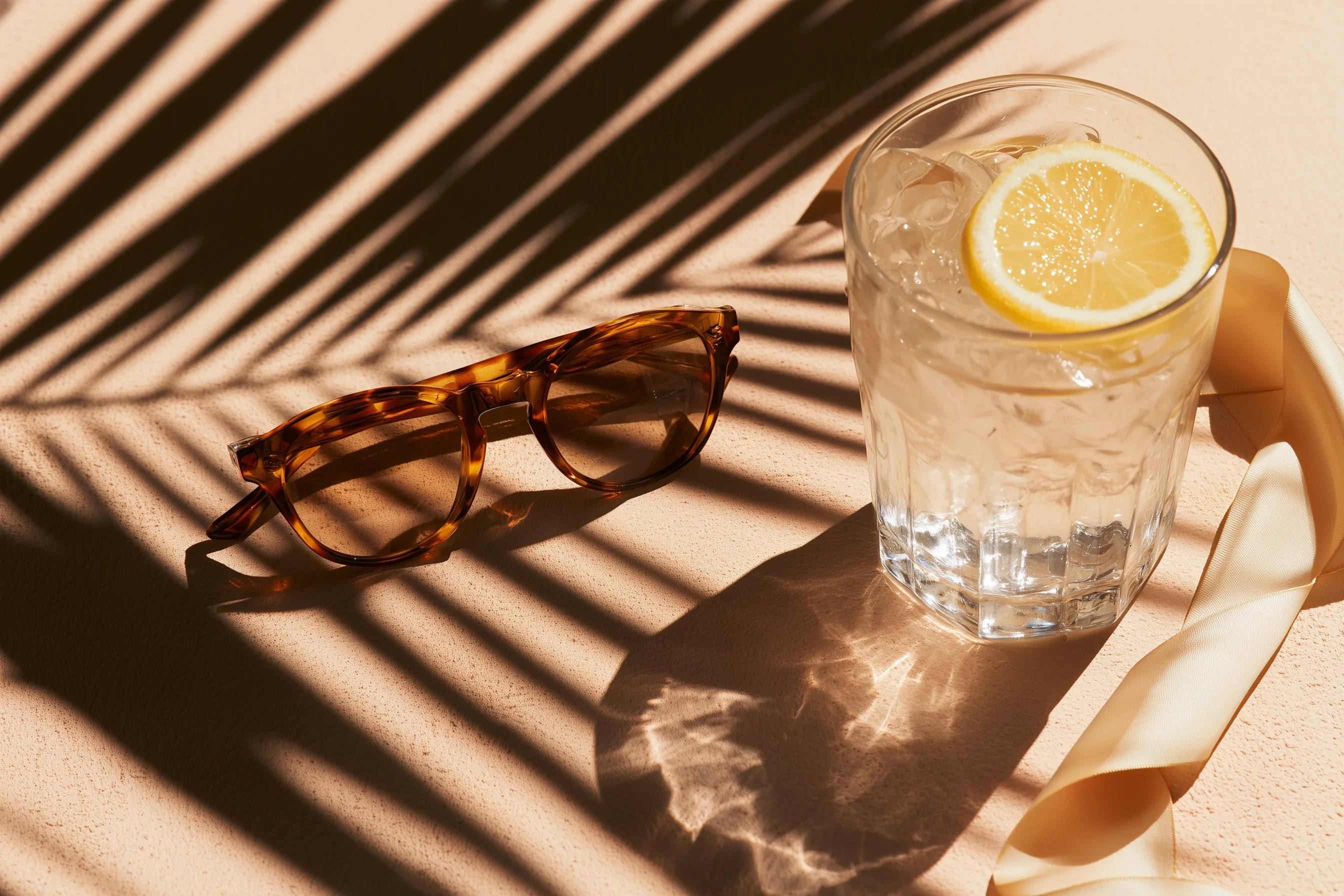
Sunscreen is the one skincare step dermatologists all agree on. It's also the one most of us skip. Too greasy, too white, too sticky, too much effort before coffee.
Here's the happy part. Face sunscreens have quietly gotten so much better. There are clear gels that vanish, tinted fluids that double as a light base, and mineral formulas that skip the ghostly cast. And in June 2026 the FDA approved bemotrizinol, the first new sunscreen filter in the US in over 20 years. It's a favorite in Korean and European sunscreens, so more of those textures you keep hearing about can finally reach US shelves.
So let's find yours. The one you'll reach for every morning, because you actually like how it feels.
Sunlight carries two kinds of ultraviolet rays that matter for your skin. UVB rays are the burning ones. UVA rays are the aging ones, behind fine lines and dark spots, and they pass right through window glass. Up to 80% of UV gets through clouds too, which is why the sunscreen habit is an every-day thing, not a beach thing.
SPF tells you how well a sunscreen blocks UVB. SPF 30 blocks about 97%, and higher numbers block a little more. No sunscreen blocks everything. Broad spectrum on the label means it covers UVA as well. Look for both, plus SPF 30 or higher, which is what the American Academy of Dermatology recommends.
Then there's the mineral or chemical question. Mineral sunscreens use zinc oxide or titanium dioxide. Chemical ones use filters like avobenzone or homosalate. Hybrids mix the two. You'll often hear that mineral reflects the sun and chemical absorbs it, but both mostly absorb UV. All three work. The real difference is how they feel and look on your skin.
“SPF 100 is twice as strong as SPF 50.”
TruthSPF 50 blocks about 98% of UVB and SPF 100 about 99%. The bigger win is using enough and reapplying on time.
“You can skip sunscreen on cloudy days or when you're inside by a window.”
TruthUp to 80% of UV gets through clouds, and the aging rays pass through window glass. If you're home and away from windows, though, you're fine.
“Mineral sunscreen reflects the sun and chemical sunscreen absorbs it.”
TruthBoth mostly absorb UV. Pick by feel, finish and how your skin gets along with it.
“Foundation with SPF is all the sunscreen you need.”
TruthYou'd need far more foundation than anyone wears to get the SPF on the label. Think of it as a nice bonus on top of your sunscreen.
Eight to compare. Every one earned its place, so find the one that fits your skin.
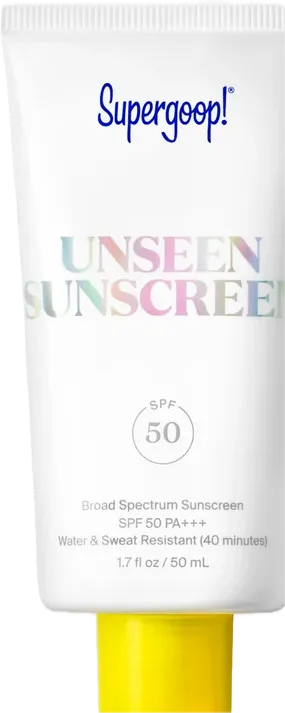
Supergoop!
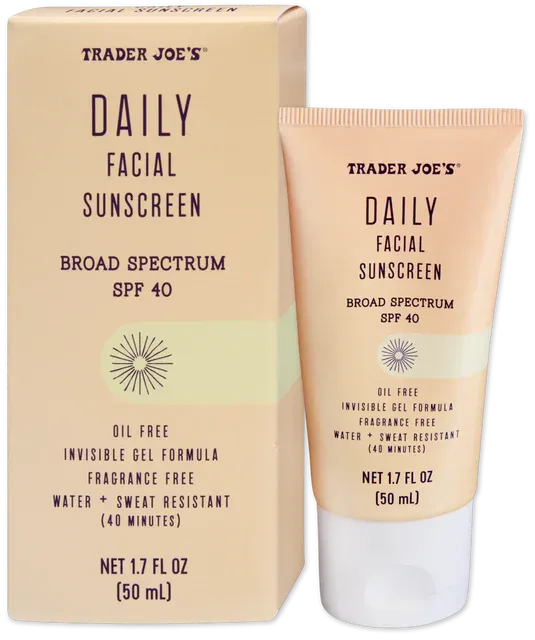
Trader Joe's
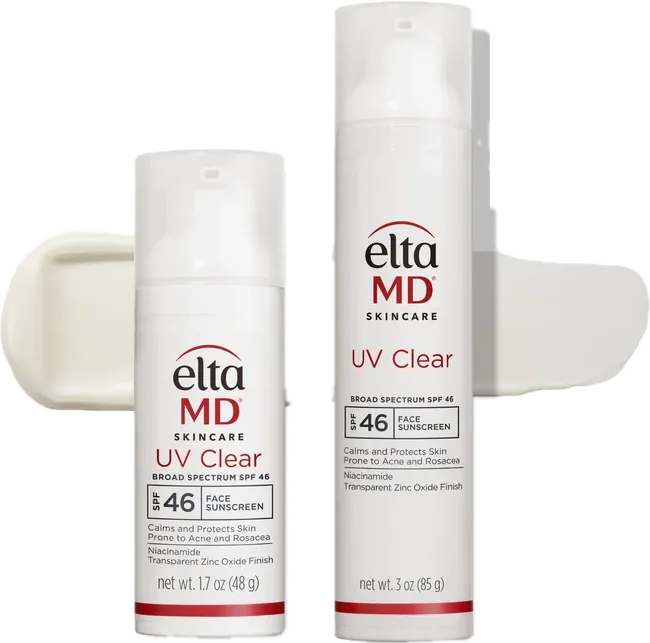
EltaMD
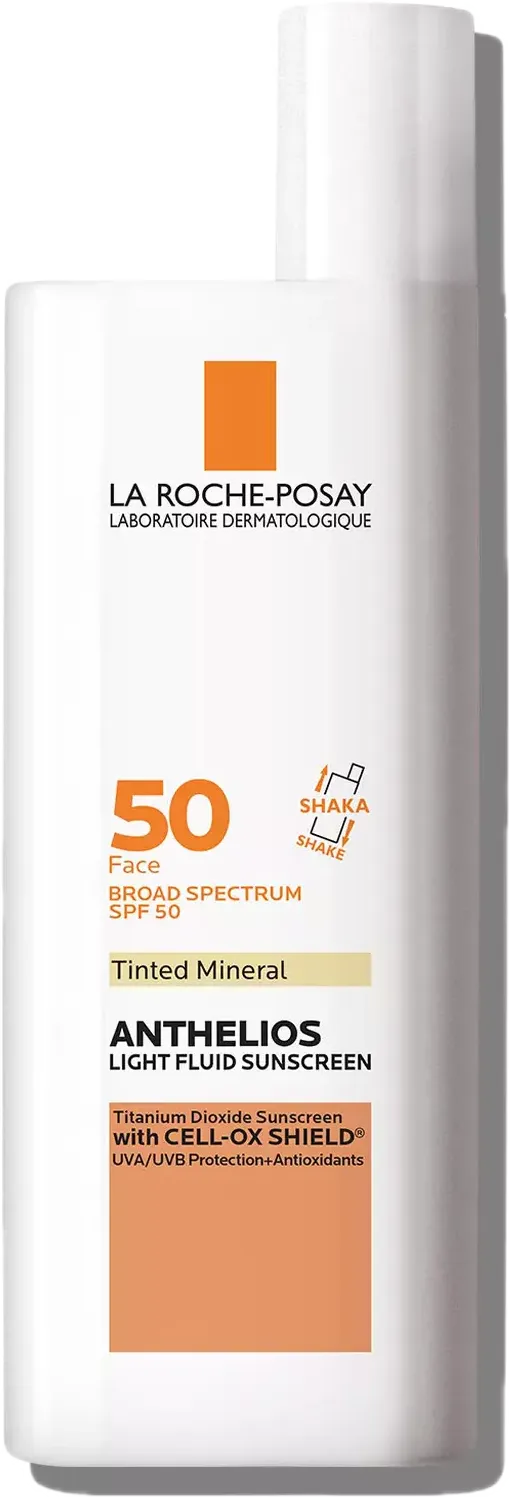
La Roche-Posay
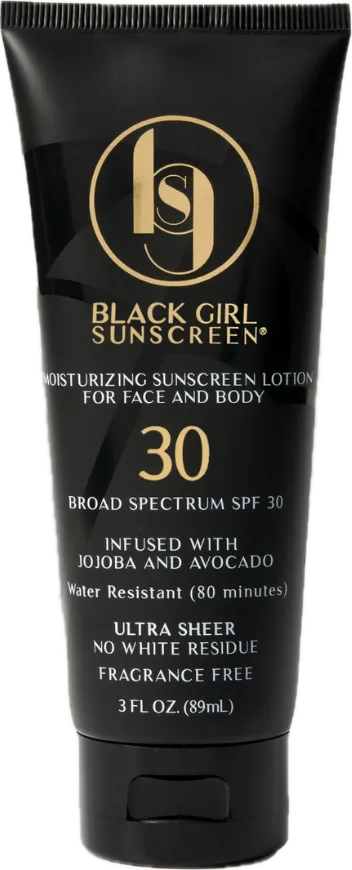
Black Girl Sunscreen
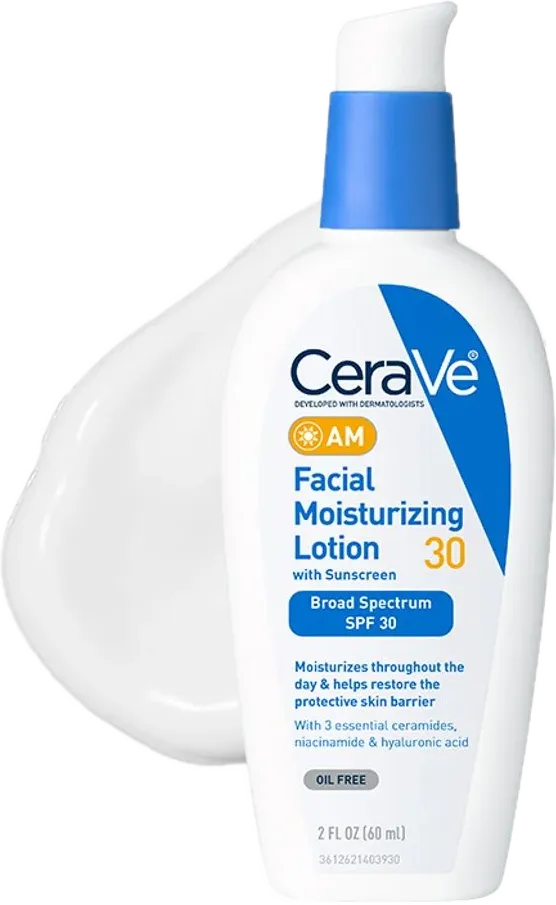
CeraVe
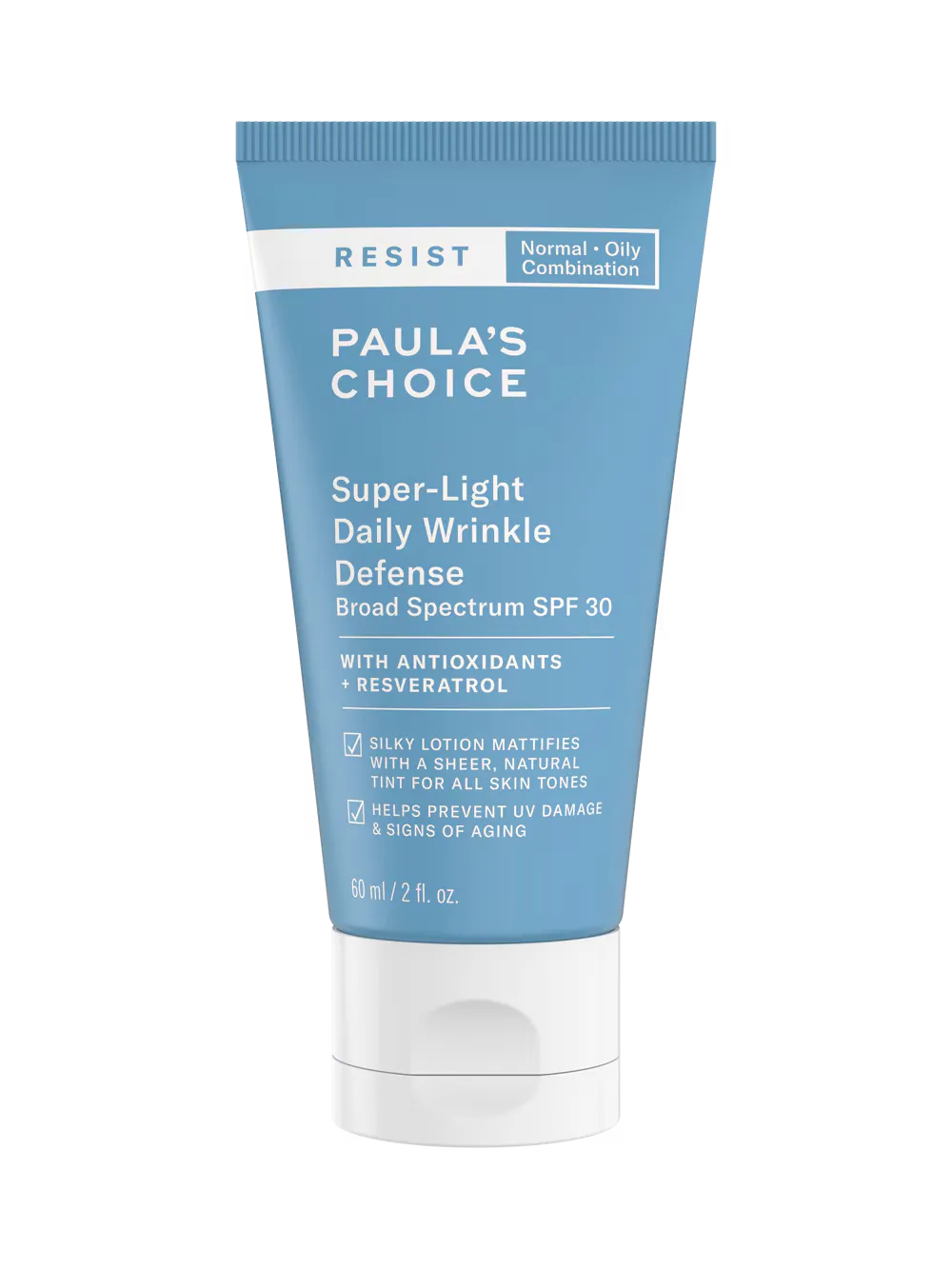
Paula's Choice
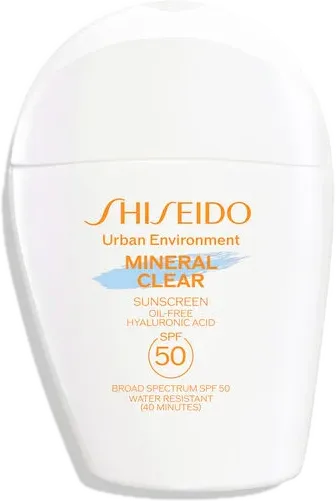
Shiseido
If you'll be outside at all, yes, in every season. UVA rays reach you on cloudy days and through car and office windows. If you're spending the day at home away from windows, you can skip it.
SPF 30 is the dermatologist minimum and blocks about 97% of UVB. Higher numbers help make up for the fact that most of us apply too little, so SPF 50 is a nice cushion. Reapplying matters more than the number.
After. Sunscreen is the last step of your skincare and the first layer under makeup. Some sunscreens are moisturizing enough to replace that step.
Usually too many layers too fast, or a sunscreen and a primer that don't get along. Wait a few minutes between steps, pat instead of rub, and try a gel or fluid formula.
Look for a clear gel, a chemical or hybrid formula, or a tinted mineral sunscreen in your shade. Several picks above were made with deeper skin tones in mind.
It can if the formula is heavy for your skin. Oil-free gels and fluids are lighter options, and many people with acne-prone skin do well with zinc-based formulas.
In the US, sunscreen is regulated as an over-the-counter drug, and only FDA-approved filters are allowed. Many popular Asian and European sunscreens use filters the US hadn't approved. In 2026 the FDA approved bemotrizinol, one of the most common of those filters, so expect more of them to arrive in versions made for US shelves.
Yes. The FDA requires sunscreens to keep their full strength for at least three years. Check the date on the tube, and if there isn't one, write the purchase date on it. Toss it if the color or texture changes.